
CTAP
(formerly MAEAP)
The Conservation Technical Assistance Program (CTAP) delivers environmental and educational outcomes in partnership with local conservation districts through the Regenerative Agriculture Program (RAP) and the Michigan Agriculture Environmental Assurance Program (MAEAP).
Regenerative Agriculture Program (RAP)
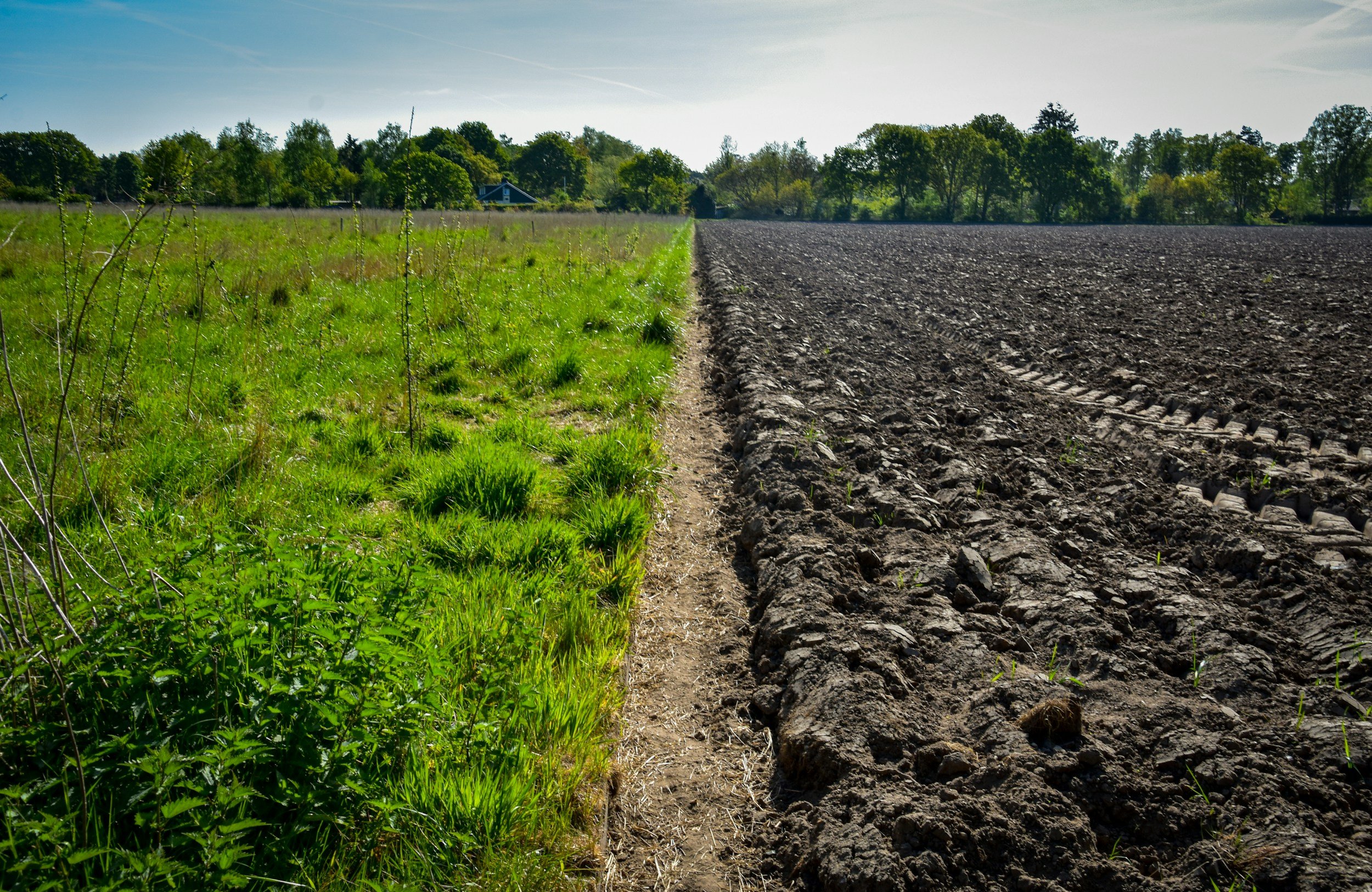
RAP’s mission is to champion a regenerative approach to agriculture, resulting in farmer prosperity, improved farm ecosystems, increased community health, and vibrant agricultural systems. RAP provides education, tools, and resources to help farmers adopt regenerative practices, improve soil health, and access emerging market opportunities that value sustainability.


To learn more about the RAP contact Amber Streeter, our local Regenerative Agriculture Technician.
Regenerative Ag Practices:
-
No-till preserves the nutrients and root systems in the soil while reducing soil erosion.
-
Improves soil health, helps with erosion control, enhances water management, and suppresses weeds.
-
Enhances soil health, while promoting biodiversity, and builds farm resilience through diverse, self-sustaining systems.
-
Boosts soil health and plant growth while protecting the environment by balancing nutrients (synthetic, organic, and biological) and preventing waterway pollution.
-
Promotes healthy pastures, builds soil health, improves plant productivity, and supports biodiversity through managed grazing and rest periods.
Michigan Agriculture Environmental Assurance Program (MAEAP)
MAEAP’s mission is to promote and recognize the adoption of practices that reduce environmental risk. MAEAP is a proactive, voluntary, and 100% confidential program designed to help farms of all sizes and commodities prevent or minimize agricultural pollution risks.
It provides educational, technical, and financial assistance to help farmers identify and reduce environmental risks like soil erosion, groundwater contamination, and surface water runoff, ensuring sustainable agricultural practices.
Types of Verifications:
MAEAP offers verifications across four different systems depending on the specific management and production practices of a farm.
A farm can receive verification in one or all of the following areas:
-
This system is applicable to all farms and assesses the environmental risks at the farm site or headquarters. It reviews practices such as fuel, chemical, and pesticide storage, wellhead protection, and manure storage on livestock farms.
-
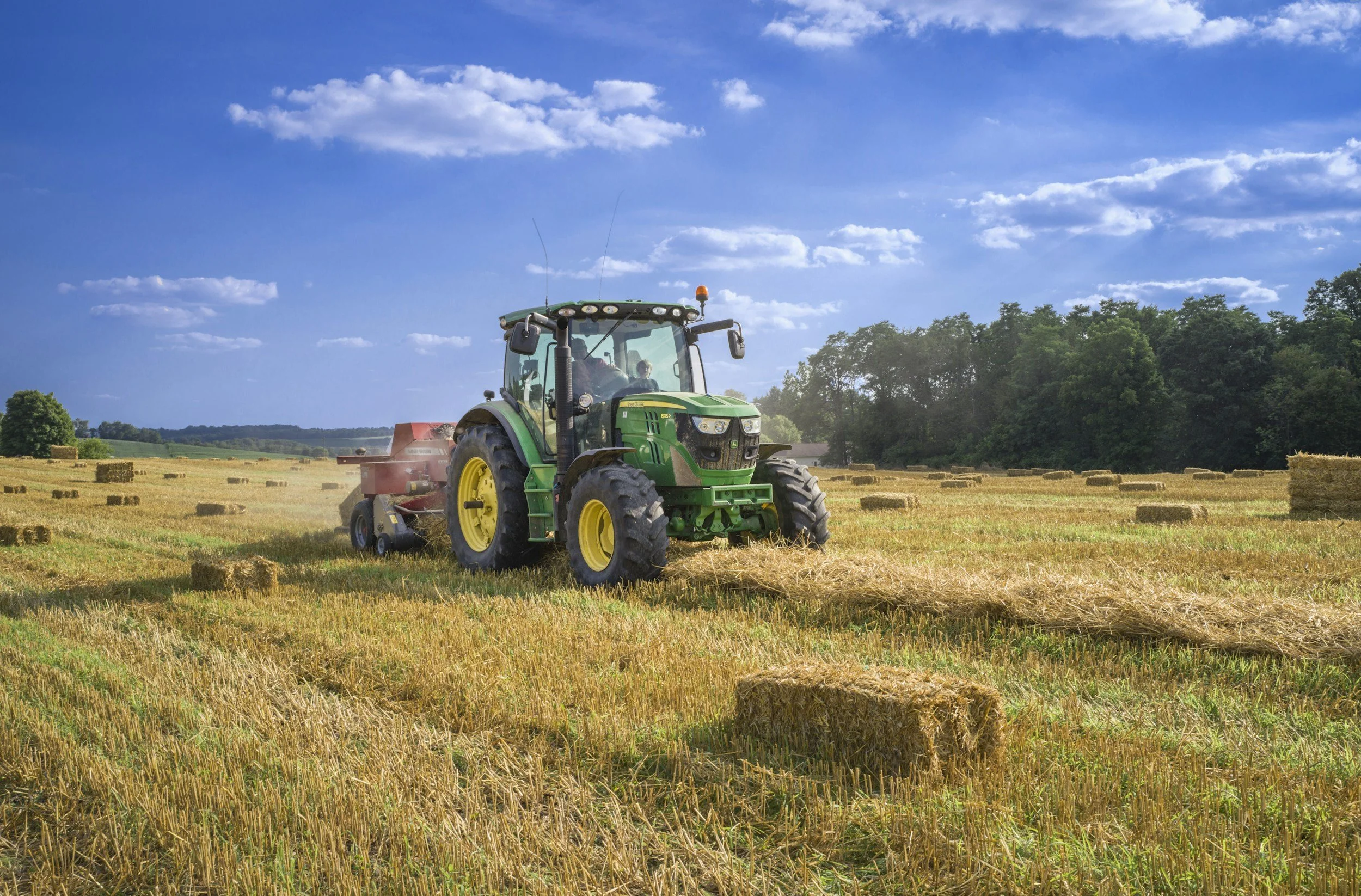
This applies to anywhere crops are grown, including field crops, vegetables, fruit orchards, and greenhouses. It reviews field-based activities and risks associated with water use, soil conservation, erosion control, and nutrient and pesticide application.
-
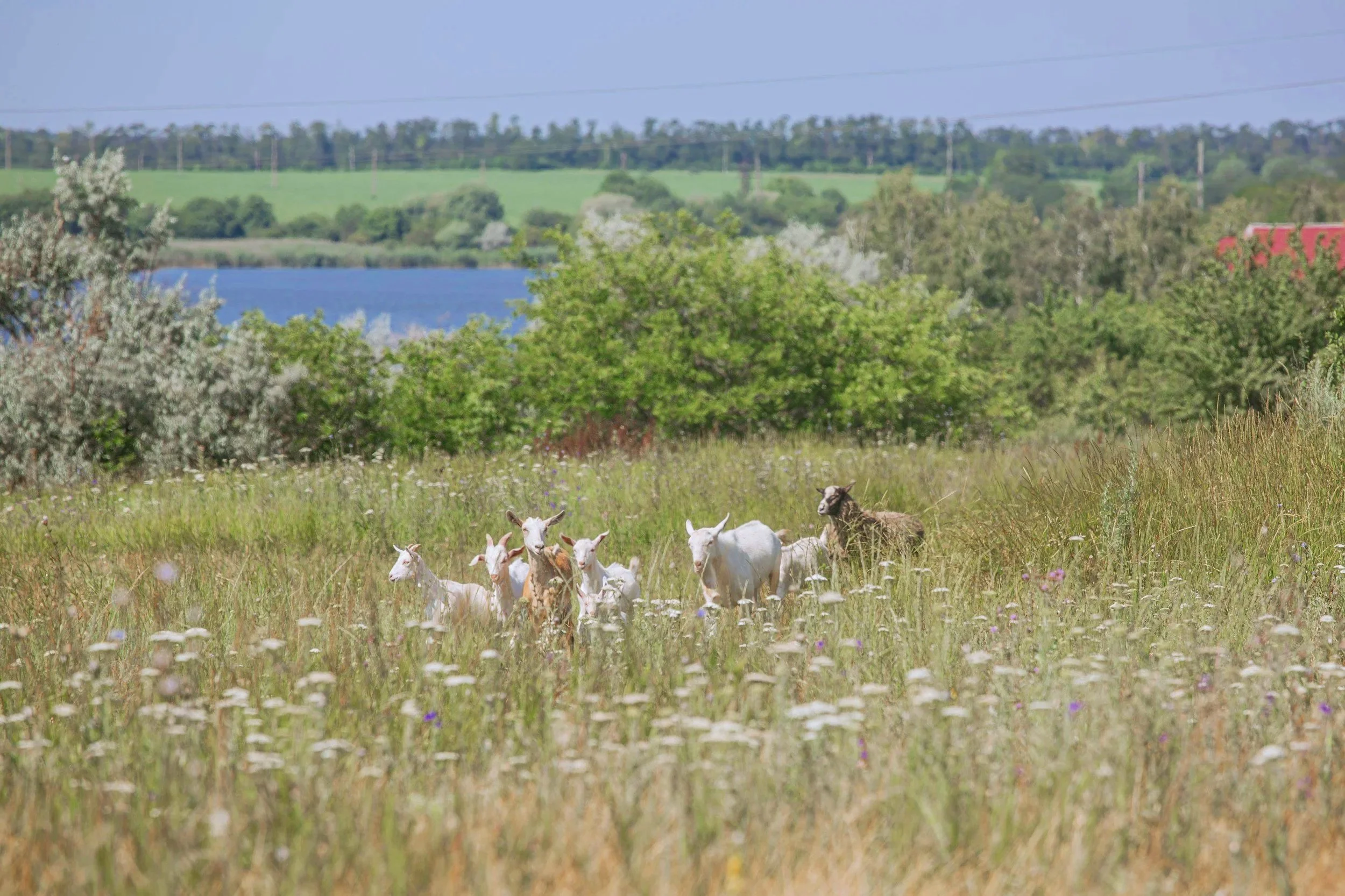
This system reviews practices related to all types and sizes of livestock production. It focuses on manure storage and land application, feed storage, lot management, and record keeping.
-
This reviews the management practices related to a farm's woodlands, wetlands, and managed habitats. It promotes sustainable practices, focusing on forest health, protecting air and water, and restoring habitat.
MAEAP Verification Process:
To become MAEAP verified, agricultural producers work with a local technician to complete a four-step process:
Education (Learn):
Producers must first meet an educational requirement by attending an approved MAEAP workshop, watching educational webinars, or reading approved articles about land stewardship.
Evaluate
(On-farm Risk Assessment):
A local technician is invited to tour the farm to conduct a fully confidential risk assessment. The technician explains the program, evaluates environmental risks, and recommends practical, farm-specific steps to meet program standards.
Implement:
The farmer implements the recommended management practices at their own pace. Technicians help throughout this phase and can direct farmers to cost-share options and expert help to offset the costs of environmental risk reduction practices.
Verification & Recognition:
Once the work is complete, a third-party verifier from the Michigan Department of Agriculture and Rural Development (MDARD) visits the farm to ensure the recommended practices are in place and addressing erosion and runoff risks.
Upon successful verification, producers receive a sign to proudly display on their property and a certificate signed by the Director of MDARD. To maintain this verification status, producers must commit to ongoing environmentally sound practices and complete a re-verification process every five years.

Find your MAEAP Tech
Cass County is split between our three neighboring MAEAP Technicians. View the map to find your township’s point-of-contact for verification questions.
Emily Kerlikowske
Kyle Mead
Townships:
- Pokagon
- Lagrange
- Howard
- Jefferson
- Milton
- Ontwa
(269) 471-9111, ext. 3
Townships:
- Silver Creek
- Wayne
- Volinia
- Marcellus
(269) 205-3377
Townships:
- Penn
- Newberg
- Calvin
- Porter
- Mason
Mike Censke
(269) 467-6336, ext. 5
Produce Safety
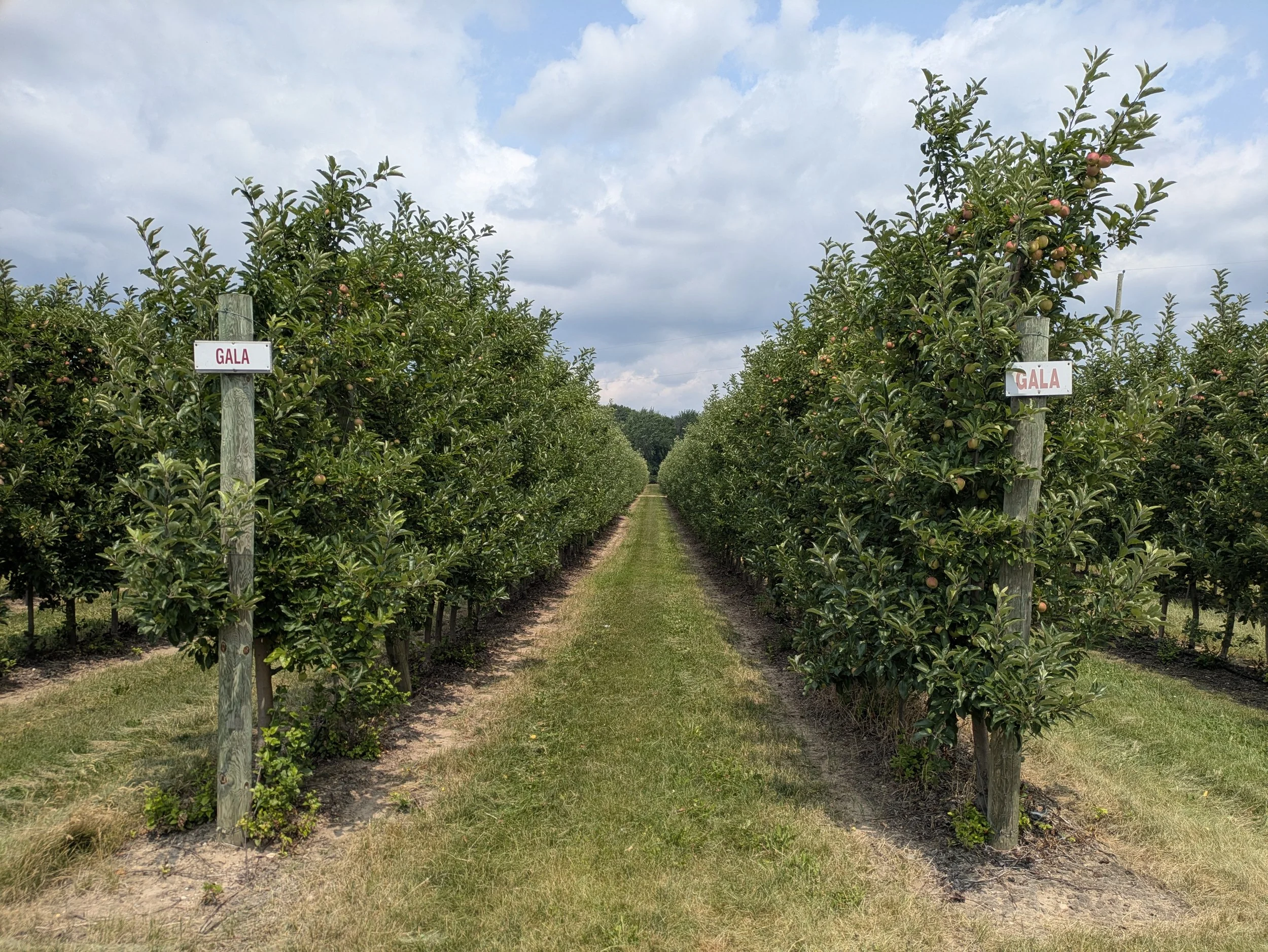
If you are curious about ways to enhance your farm’s produce safety practices you can contact the Berrien County Produce Safety Technician, Patrick Gordon, to schedule a Produce Safety Risk Assessment.
This free, voluntary, and confidential service is available to farms of all sizes.